Case Studies
Home | Case Studies |Subsea Small Bore Tubing Design, Installation & Testing
SUBSEA SMALL BORE TUBING DESIGN, INSTALLATION & TESTING
PROJECT SPECIFICATION
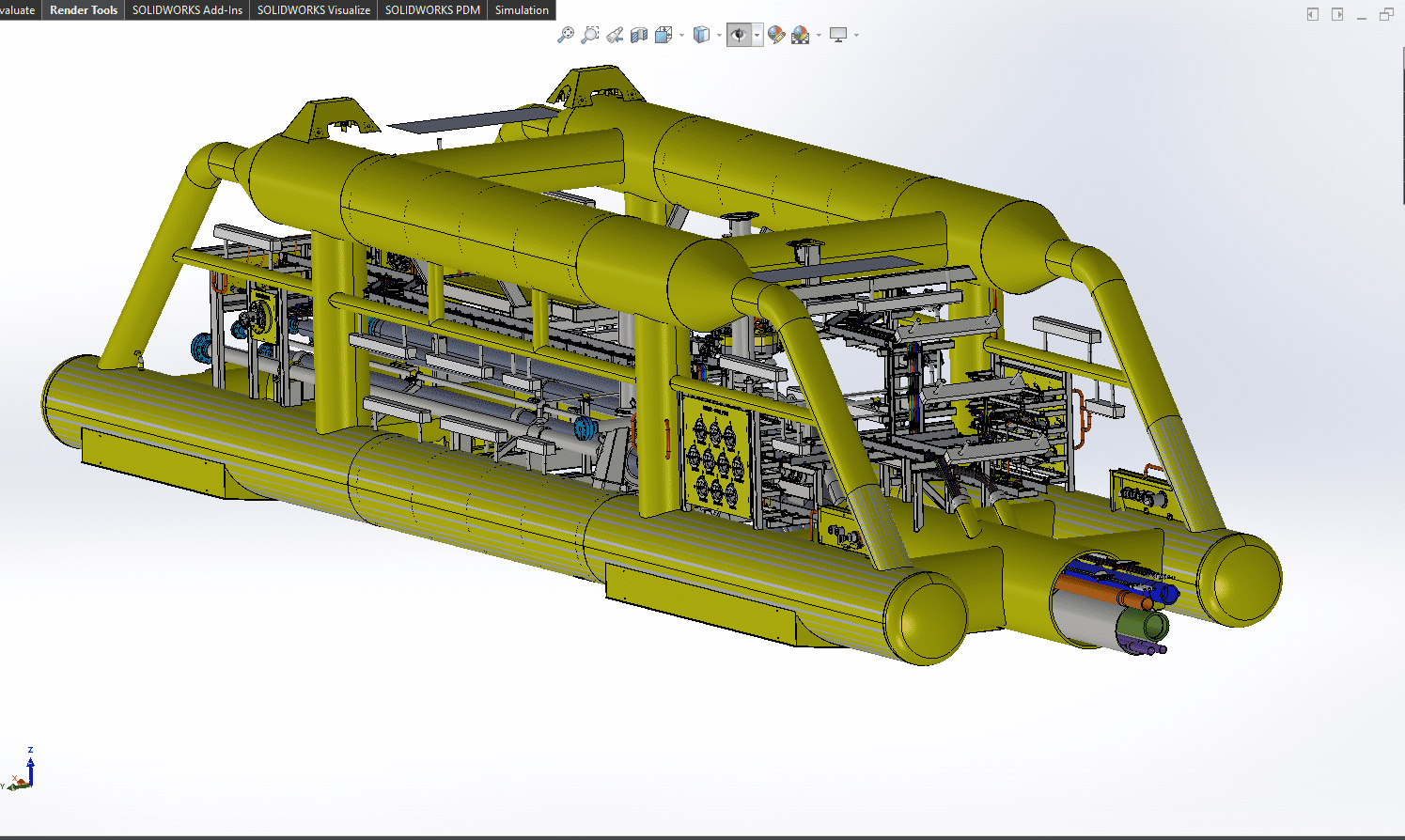
HCS were awarded the scope to engineer, model, install and test smallbore tubing on a subsea manifold structure.
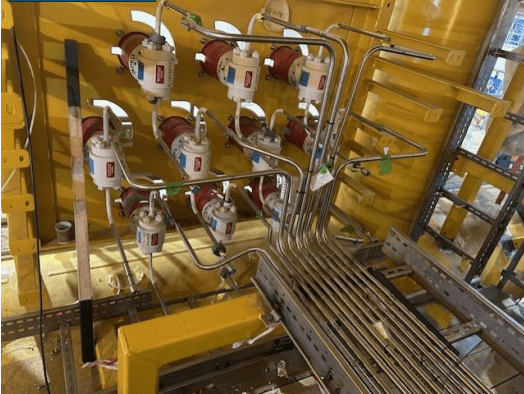
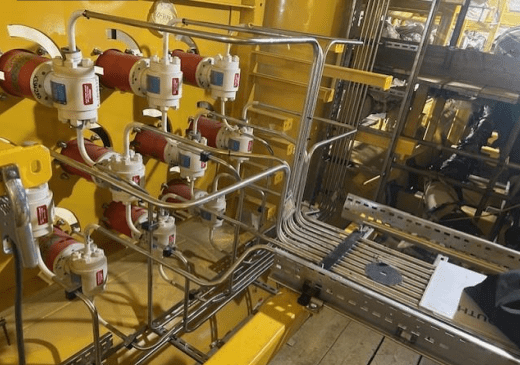
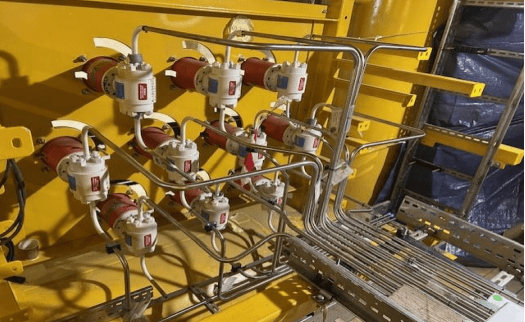
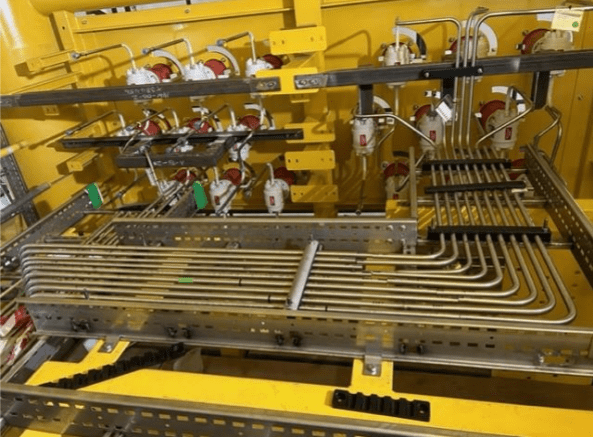
The scope covered five toeheads, each with differing internal configurations. HCS were responsible for the design, 3D routing, installation and testing of the internal smallbore tubing systems within each unit.
SCOPE OF WORK
Design Review & Inspection
- Review of applicable design standards, schematics and structural layouts
- Identification of tubing sizes, wall thicknesses and material specifications
- Review of valves, stab plates and connection interfaces
Tubing Design & Modelling
- Design of tee pieces and adapters in accordance with ASME B31.3
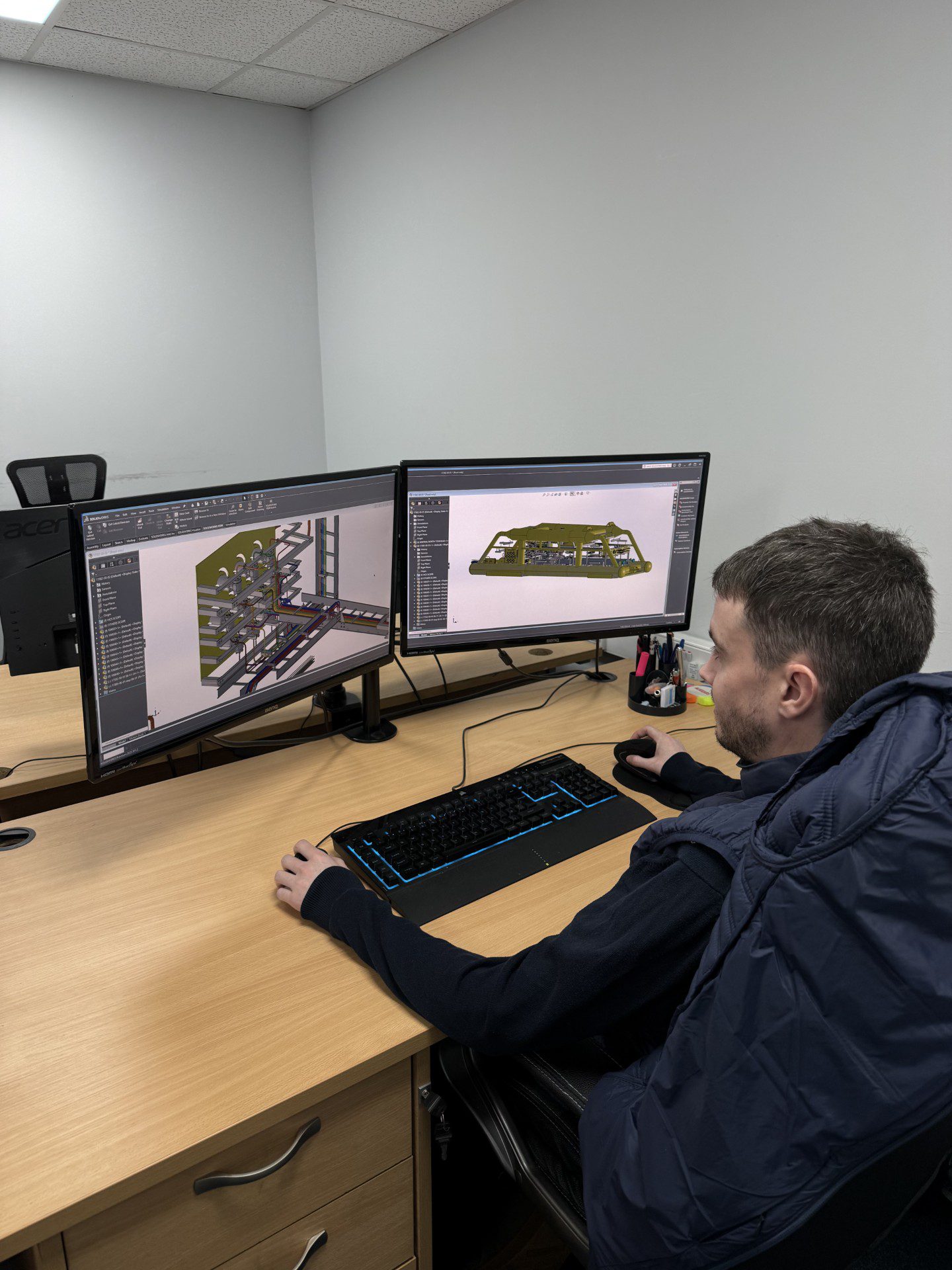
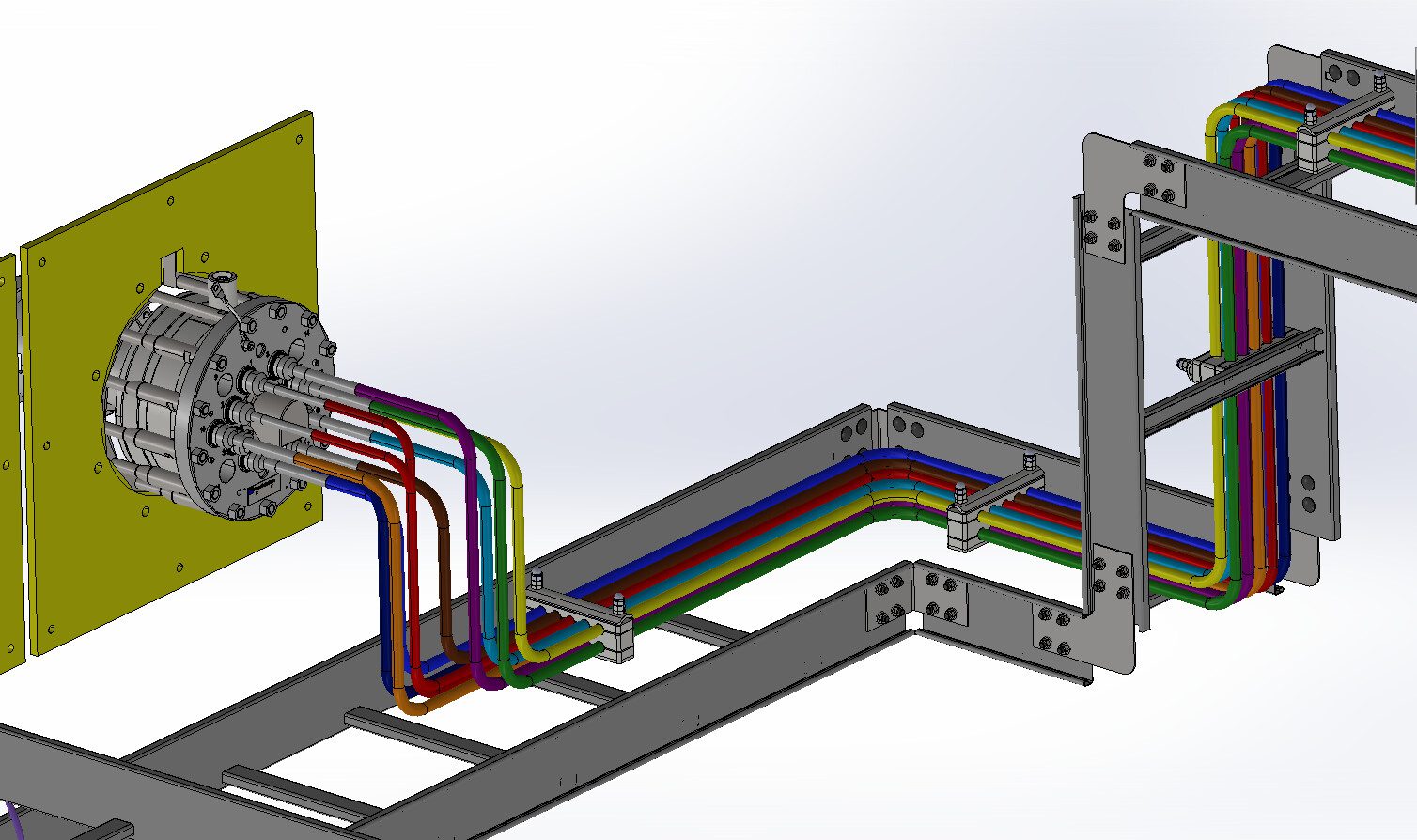
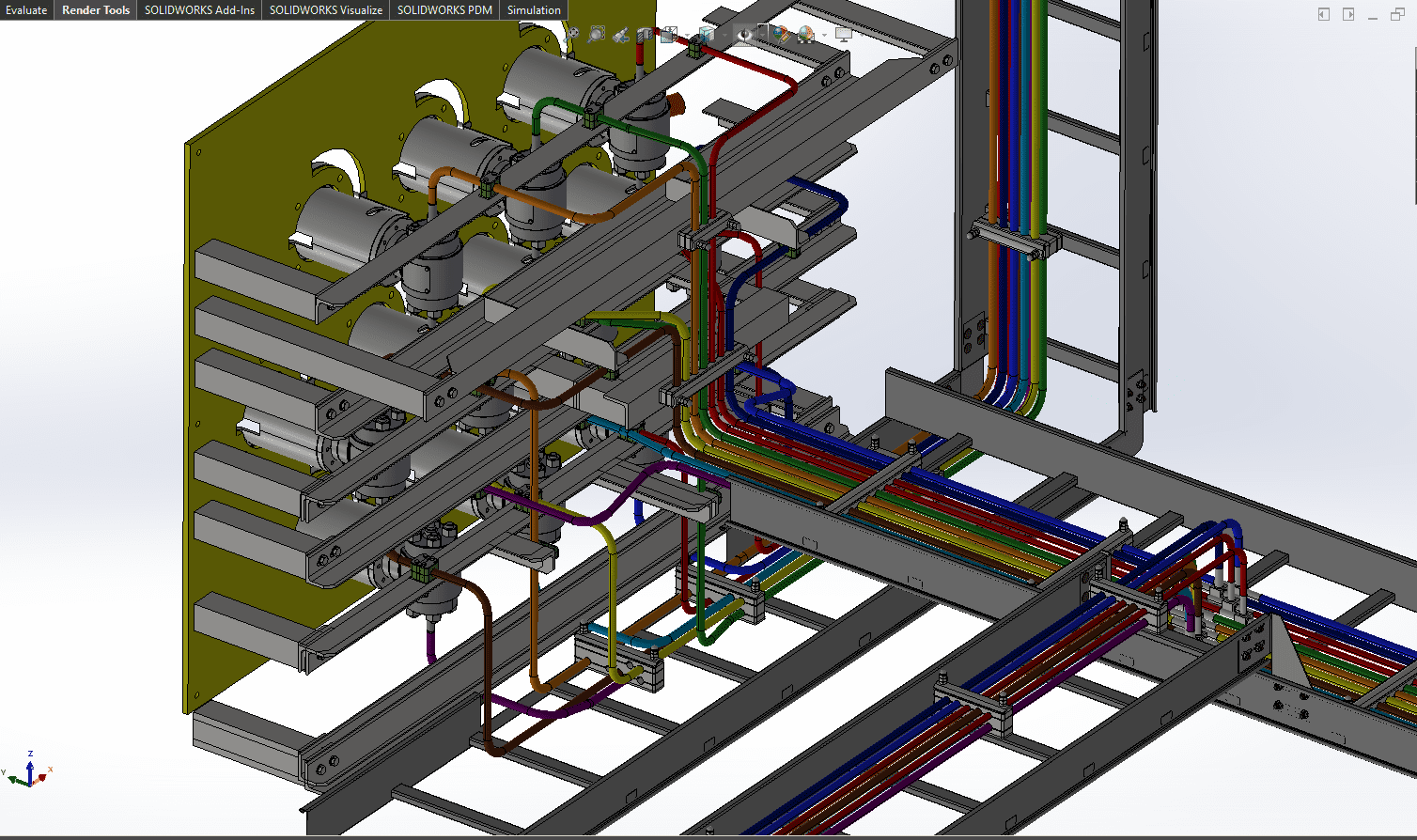
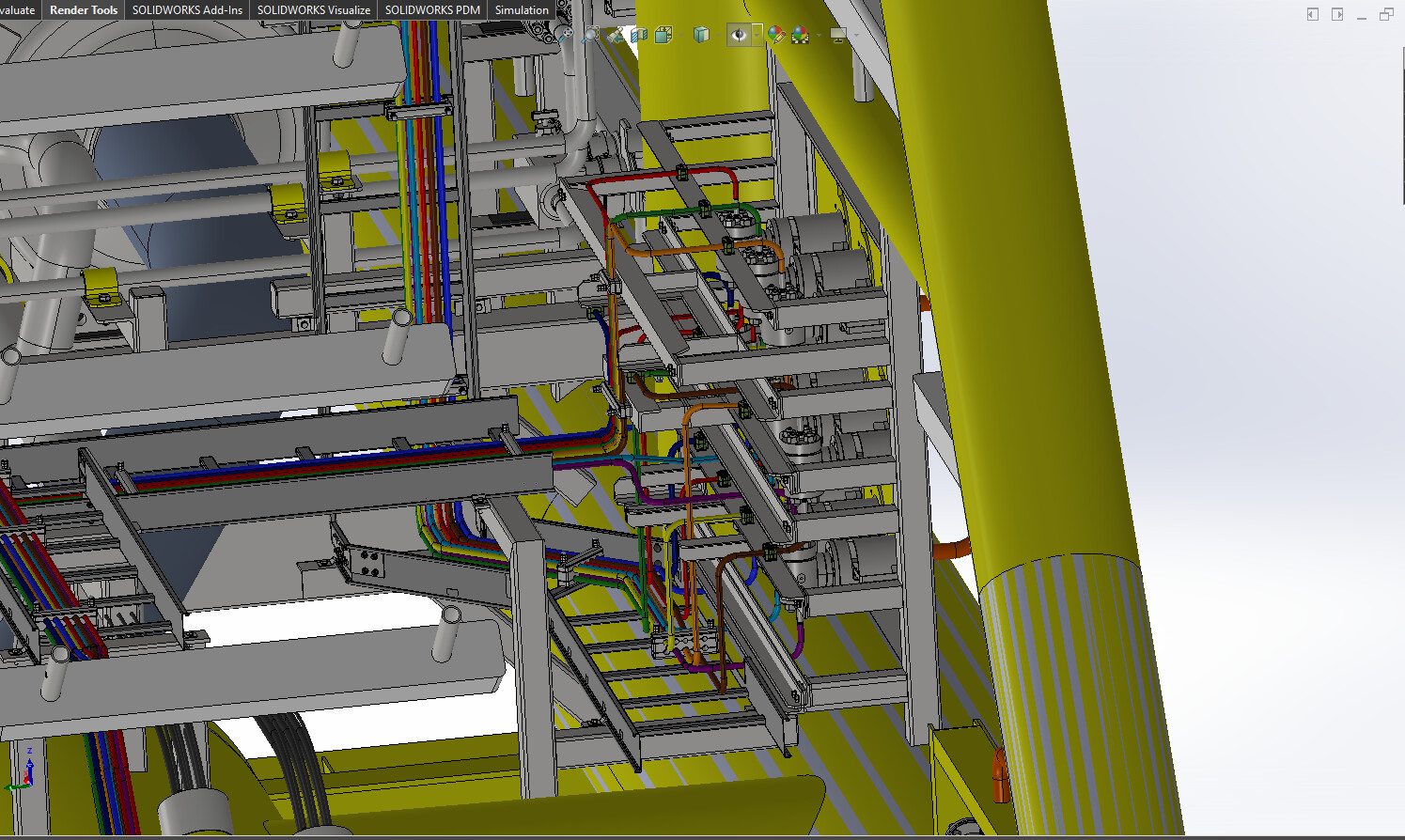
- 3D routing of smallbore tubing in SOLIDWORKS to optimise installation and avoid clashes
- Generation of tube isometrics (ISO drawings) for manufacture
- Detailed design of tubing supports and brackets
Installation & Testing
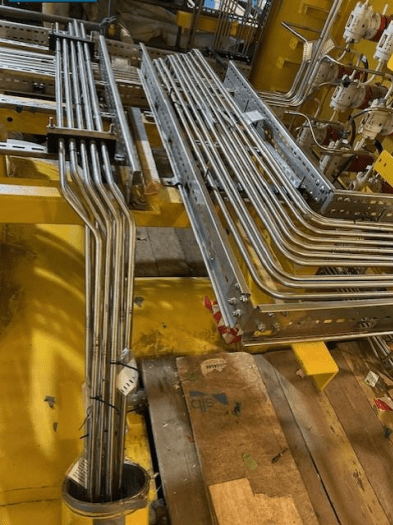
- Installation of smallbore tubing systems within five differently configured toeheads
- Development and implementation of welding procedures covering all tubing sizes and associated transition pieces
- Development of bend qualification procedures
- Preparation of tee and transition piece fabrication drawings and supporting calculations
- Preparation of burst testing procedures for tee and transition components
- Development and execution of pressure testing and flushing procedures
CHALLENGES
The structures were heavily congested, requiring careful routing to avoid clashes with existing equipment and interfaces.
In addition, several project specifications were not fully aligned with the welding methods being applied. These required technical clarification and resolution prior to execution to ensure compliance and consistency across all five toeheads.
OUR DELIVERY
The project was delivered in a schedule-driven environment, with multiple disciplines working simultaneously on the structure.
Despite these constraints, HCS coordinated closely with the client and interfacing parties to manage interfaces, resolve specification queries and maintain progress across all five units. All smallbore tubing systems were successfully installed and tested in line with project requirements.
RESULTS & LESSONS
The project was delivered successfully, with all design, installation and testing activities completed as planned.
Key learnings identified for future projects include:
Personnel & Site Support
- Early confirmation of full-time site Project Manager prior to mobilisation
- Dedicated QA/QC presence throughout execution
- Continued utilisation of core HCS personnel to maintain continuity and stability across complex scopes
Equipment & Tooling
- Ongoing investment in welding equipment to support technically complex smallbore projects